 Image 1 of 1
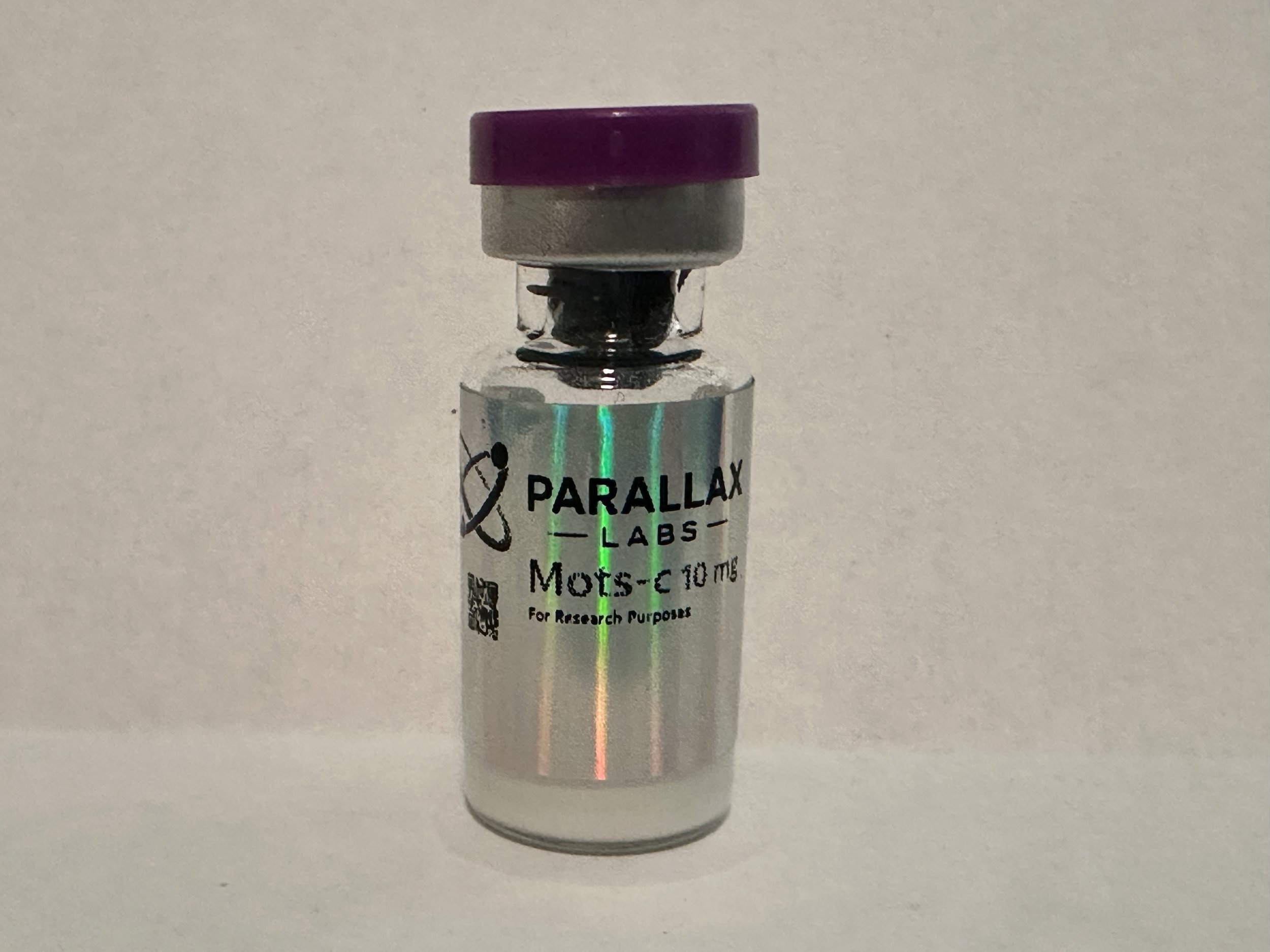
MOTS‑C
What it is
MOTS‑C (mitochondrial open reading frame of the 12S rRNA type-c) is a naturally occurring mitochondrial peptide composed of 16 amino acids. It is classified as a mitochondrial-derived peptide (MDP) that influences cellular metabolism and energy regulation.
How it works
Metabolic signaling: MOTS‑C modulates metabolic pathways by activating AMPK (adenosine monophosphate–activated protein kinase), a key energy sensor. Activation of AMPK promotes glucose uptake and fatty-acid oxidation while reducing lipid synthesis.
Mitochondrial regulation: MOTS‑C affects mitochondrial function and biogenesis, helping cells respond to energetic stress and maintain ATP production.
Insulin sensitivity: Studies indicate MOTS‑C improves insulin sensitivity and glycemic control by enhancing glucose utilization in skeletal muscle and other tissues.
Anti‑inflammatory and cytoprotective actions: Evidence suggests MOTS‑C may reduce inflammatory signaling and protect cells from oxidative stress.
Potential benefits (based on preclinical and early clinical research)
Improved metabolic health: Enhanced glucose handling and increased insulin sensitivity.
Weight and fat regulation: Increased fatty-acid oxidation and energy expenditure in animal models.
Exercise performance and recovery: Potential improvements in endurance and muscle function due to better energy utilization.
Aging and longevity: Preliminary data link MOTS‑C to pathways involved in healthy aging, though human evidence is limited.
Current research status
Most data come from cell culture and animal studies; human clinical trials are limited but emerging. Research is ongoing to clarify safety, dosing, and long‑term effects in humans.
Mechanistic studies continue to investigate MOTS‑C’s interactions with nuclear and mitochondrial signaling networks.
Safety and considerations
Not approved by major health authorities as a therapeutic agent. Use outside controlled clinical settings is experimental.
Long‑term safety, optimal dosing, and potential interactions are not yet established.
Individuals with metabolic disorders, pregnant or nursing people, or those on prescription medications should consult a qualified healthcare professional before considering experimental therapies or participation in clinical trials.
Practical notes
Formulations used in research are typically synthetic peptides administered via injection; oral bioavailability and stability remain challenges.
If considering participation in research, seek trials conducted by reputable institutions with ethical oversight.
Parallax Peptides approach
We prioritize quality, transparent sourcing, and responsive customer service. If you have questions about research, product availability, or safety data regarding MOTS‑C, our team is available to help you find reliable information and options that align with your needs.
FOR RESEARCH PURPOSES ONLY
MOTS‑C
What it is
MOTS‑C (mitochondrial open reading frame of the 12S rRNA type-c) is a naturally occurring mitochondrial peptide composed of 16 amino acids. It is classified as a mitochondrial-derived peptide (MDP) that influences cellular metabolism and energy regulation.
How it works
Metabolic signaling: MOTS‑C modulates metabolic pathways by activating AMPK (adenosine monophosphate–activated protein kinase), a key energy sensor. Activation of AMPK promotes glucose uptake and fatty-acid oxidation while reducing lipid synthesis.
Mitochondrial regulation: MOTS‑C affects mitochondrial function and biogenesis, helping cells respond to energetic stress and maintain ATP production.
Insulin sensitivity: Studies indicate MOTS‑C improves insulin sensitivity and glycemic control by enhancing glucose utilization in skeletal muscle and other tissues.
Anti‑inflammatory and cytoprotective actions: Evidence suggests MOTS‑C may reduce inflammatory signaling and protect cells from oxidative stress.
Potential benefits (based on preclinical and early clinical research)
Improved metabolic health: Enhanced glucose handling and increased insulin sensitivity.
Weight and fat regulation: Increased fatty-acid oxidation and energy expenditure in animal models.
Exercise performance and recovery: Potential improvements in endurance and muscle function due to better energy utilization.
Aging and longevity: Preliminary data link MOTS‑C to pathways involved in healthy aging, though human evidence is limited.
Current research status
Most data come from cell culture and animal studies; human clinical trials are limited but emerging. Research is ongoing to clarify safety, dosing, and long‑term effects in humans.
Mechanistic studies continue to investigate MOTS‑C’s interactions with nuclear and mitochondrial signaling networks.
Safety and considerations
Not approved by major health authorities as a therapeutic agent. Use outside controlled clinical settings is experimental.
Long‑term safety, optimal dosing, and potential interactions are not yet established.
Individuals with metabolic disorders, pregnant or nursing people, or those on prescription medications should consult a qualified healthcare professional before considering experimental therapies or participation in clinical trials.
Practical notes
Formulations used in research are typically synthetic peptides administered via injection; oral bioavailability and stability remain challenges.
If considering participation in research, seek trials conducted by reputable institutions with ethical oversight.
Parallax Peptides approach
We prioritize quality, transparent sourcing, and responsive customer service. If you have questions about research, product availability, or safety data regarding MOTS‑C, our team is available to help you find reliable information and options that align with your needs.
FOR RESEARCH PURPOSES ONLY