 Image 1 of 1
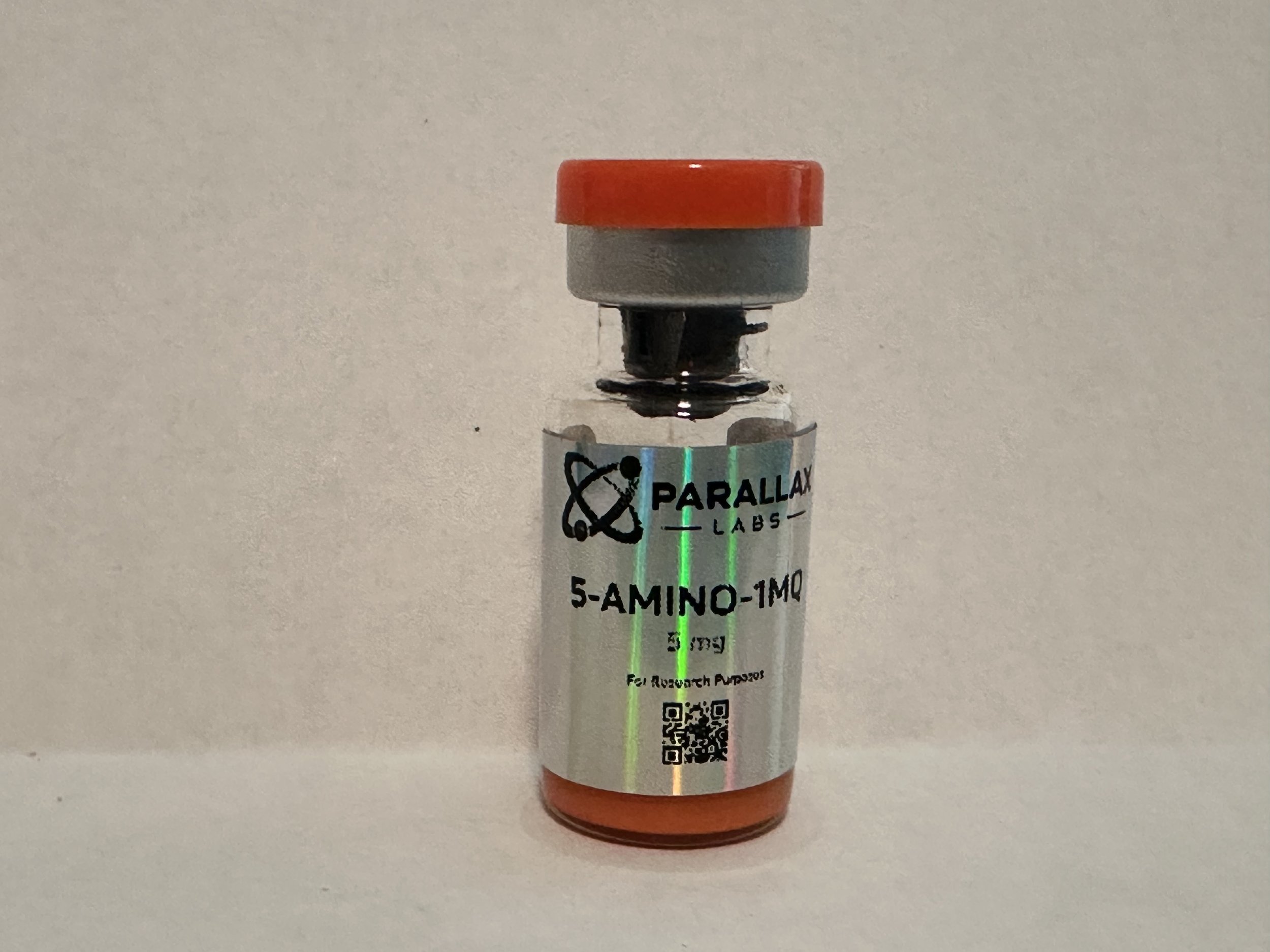
5-Amino-1mq - 5mg
5-Amino-1-methylquinolinium (5-Amino-1MQ)
Overview 5-Amino-1-methylquinolinium (commonly abbreviated 5-Amino-1MQ) is a small molecule derivative of methylquinolinium. It has been investigated in preclinical research for its effects on metabolic regulation, particularly as an inhibitor of nicotinamide N-methyltransferase (NNMT). NNMT is an enzyme involved in nicotinamide metabolism and methyl group transfer; inhibition of NNMT has been associated in rodent studies with changes in energy expenditure, adiposity, and glucose metabolism.
Key properties
Chemical class: methylquinolinium derivative (quinaldinium family)
Primary reported activity: NNMT inhibitor (preclinical studies)
Typical research context: metabolic disease models (obesity, insulin resistance), cellular studies of methylation and NAD+ metabolism
Form: research-grade small molecule (used in laboratory settings; not approved for clinical use)
Mechanism of interest
NNMT catalyzes the N-methylation of nicotinamide, consuming S-adenosylmethionine (SAM) and producing 1-methylnicotinamide. NNMT activity has been linked to altered methyl donor balance and cellular NAD+ precursor availability.
5-Amino-1MQ is reported to inhibit NNMT activity in vitro and in vivo in preclinical models, which may preserve nicotinamide availability for NAD+ salvage and alter cellular methylation dynamics. Resulting downstream effects observed in animal studies include increased energy expenditure, reduced fat mass gain, and improved glucose homeostasis under certain experimental conditions.
Preclinical findings (summary)
Rodent studies: Administration of NNMT inhibitors including 1-methylquinolinium derivatives has been associated with resistance to diet-induced obesity, increased metabolic rate, and improved markers of insulin sensitivity in some models.
Cellular studies: NNMT inhibition can affect SAM/SAH balance, global methylation status, and pathways dependent on NAD+ availability.
Limitations: Data are primarily preclinical. Effects can vary by compound, dose, model, and study design. Reproducibility and translational relevance to humans remain to be established.
Safety and regulatory status
5-Amino-1MQ is a research chemical intended for laboratory use only. It is not approved by regulatory agencies for human therapeutic use.
Safety profile in humans is unknown. Preclinical safety data are limited; proper laboratory safety procedures, personal protective equipment, and institutional approvals should be used when handling the compound.
Do not use in humans, and do not infer safety or efficacy for clinical use from preclinical findings.
Practical laboratory considerations
Storage, handling, and solubility: Follow manufacturer material safety data sheet (MSDS) and product-specific guidelines for solvent choice, storage temperature, light sensitivity, and shelf life.
Assay considerations: Use validated assays for NNMT activity, appropriate controls, and consider off-target effects. Dose–response and pharmacokinetic evaluation in each model are essential.
Reporting: Provide full compound characterization (purity, supplier, lot), dosing regimen, route of administration, and vehicle details in any study reports.
5-Amino-1-methylquinolinium (5-Amino-1MQ)
Overview 5-Amino-1-methylquinolinium (commonly abbreviated 5-Amino-1MQ) is a small molecule derivative of methylquinolinium. It has been investigated in preclinical research for its effects on metabolic regulation, particularly as an inhibitor of nicotinamide N-methyltransferase (NNMT). NNMT is an enzyme involved in nicotinamide metabolism and methyl group transfer; inhibition of NNMT has been associated in rodent studies with changes in energy expenditure, adiposity, and glucose metabolism.
Key properties
Chemical class: methylquinolinium derivative (quinaldinium family)
Primary reported activity: NNMT inhibitor (preclinical studies)
Typical research context: metabolic disease models (obesity, insulin resistance), cellular studies of methylation and NAD+ metabolism
Form: research-grade small molecule (used in laboratory settings; not approved for clinical use)
Mechanism of interest
NNMT catalyzes the N-methylation of nicotinamide, consuming S-adenosylmethionine (SAM) and producing 1-methylnicotinamide. NNMT activity has been linked to altered methyl donor balance and cellular NAD+ precursor availability.
5-Amino-1MQ is reported to inhibit NNMT activity in vitro and in vivo in preclinical models, which may preserve nicotinamide availability for NAD+ salvage and alter cellular methylation dynamics. Resulting downstream effects observed in animal studies include increased energy expenditure, reduced fat mass gain, and improved glucose homeostasis under certain experimental conditions.
Preclinical findings (summary)
Rodent studies: Administration of NNMT inhibitors including 1-methylquinolinium derivatives has been associated with resistance to diet-induced obesity, increased metabolic rate, and improved markers of insulin sensitivity in some models.
Cellular studies: NNMT inhibition can affect SAM/SAH balance, global methylation status, and pathways dependent on NAD+ availability.
Limitations: Data are primarily preclinical. Effects can vary by compound, dose, model, and study design. Reproducibility and translational relevance to humans remain to be established.
Safety and regulatory status
5-Amino-1MQ is a research chemical intended for laboratory use only. It is not approved by regulatory agencies for human therapeutic use.
Safety profile in humans is unknown. Preclinical safety data are limited; proper laboratory safety procedures, personal protective equipment, and institutional approvals should be used when handling the compound.
Do not use in humans, and do not infer safety or efficacy for clinical use from preclinical findings.
Practical laboratory considerations
Storage, handling, and solubility: Follow manufacturer material safety data sheet (MSDS) and product-specific guidelines for solvent choice, storage temperature, light sensitivity, and shelf life.
Assay considerations: Use validated assays for NNMT activity, appropriate controls, and consider off-target effects. Dose–response and pharmacokinetic evaluation in each model are essential.
Reporting: Provide full compound characterization (purity, supplier, lot), dosing regimen, route of administration, and vehicle details in any study reports.