 Image 1 of 1
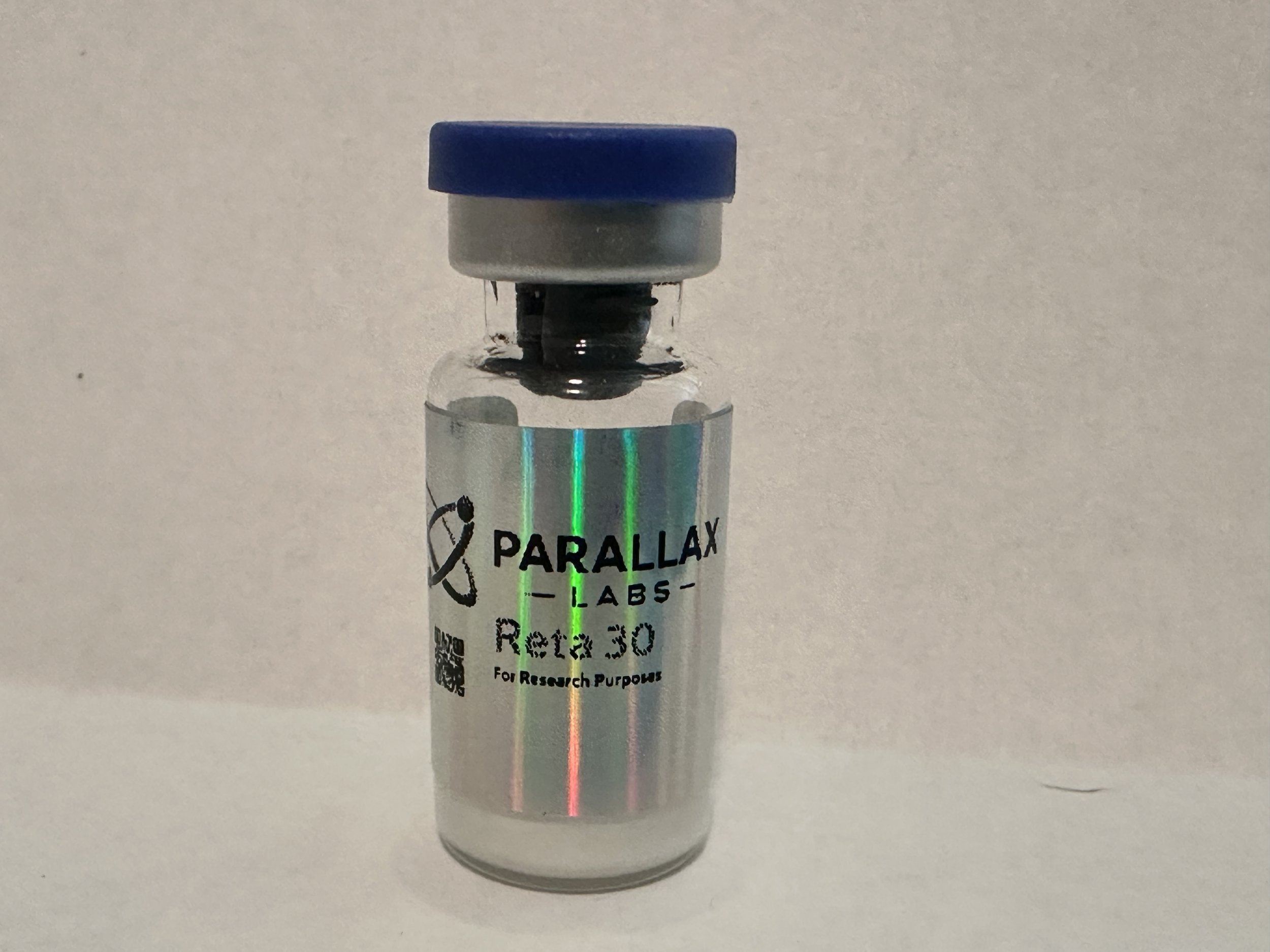
GLP-R3- 30mg
Retatrutide (sometimes described as a GLP-3 agent) — mechanism, clinical profile, and development status
Overview Retatrutide is an investigational peptide therapeutic designed to act on multiple gastrointestinal hormone receptors to promote weight loss and improve metabolic parameters. It is often characterized as a “GLP-3” type agent because it targets three key receptors involved in energy balance and glucose regulation: GLP-1 (glucagon-like peptide-1), GIP (glucose-dependent insulinotropic polypeptide), and the glucagon receptor. By combining agonism at these receptors in a single molecule, retatrutide aims to achieve greater and more durable reductions in body weight and improvements in cardiometabolic risk factors than single-receptor GLP-1 agonists.
Mechanism of action
GLP-1 receptor agonism: Enhances glucose-dependent insulin secretion, suppresses glucagon secretion, slows gastric emptying, and reduces appetite via central nervous system pathways.
GIP receptor agonism: May augment insulinotropic effects, improve postprandial glucose control, and — when combined with GLP-1 activity — appears to produce synergistic weight-loss and metabolic effects through complementary central and peripheral actions.
Glucagon receptor agonism: Increases energy expenditure and can promote lipolysis. Low-level glucagon receptor activity balanced with GLP-1/GIP signaling is proposed to enhance weight loss without causing clinically relevant hyperglycemia.
Clinical profile and efficacy (summary of trial findings)
Weight loss: In randomized, controlled phase 2 and phase 3 studies, retatrutide produced substantial mean placebo-subtracted weight reductions in adults with overweight or obesity, often exceeding those observed with single-receptor GLP-1 agonists. Many trial participants achieved clinically meaningful thresholds (≥10%, ≥15%, or greater reductions in body weight) over multi-month dosing periods.
Glycemic effects: Retatrutide improved fasting plasma glucose and HbA1c in participants with type 2 diabetes and showed favorable effects on insulin sensitivity markers in non-diabetic participants. The combined incretin and glucagon activities contributed to improved glycemic control while enhancing weight loss.
Cardiometabolic markers: Studies reported improvements in triglycerides, some measures of liver fat, and other metabolic risk factors; however, long-term cardiovascular outcome data are not yet available for definitive risk reduction conclusions.
Safety and tolerability
Gastrointestinal adverse events: Nausea, vomiting, diarrhea, and constipation were the most commonly reported side effects, generally dose
Retatrutide (sometimes described as a GLP-3 agent) — mechanism, clinical profile, and development status
Overview Retatrutide is an investigational peptide therapeutic designed to act on multiple gastrointestinal hormone receptors to promote weight loss and improve metabolic parameters. It is often characterized as a “GLP-3” type agent because it targets three key receptors involved in energy balance and glucose regulation: GLP-1 (glucagon-like peptide-1), GIP (glucose-dependent insulinotropic polypeptide), and the glucagon receptor. By combining agonism at these receptors in a single molecule, retatrutide aims to achieve greater and more durable reductions in body weight and improvements in cardiometabolic risk factors than single-receptor GLP-1 agonists.
Mechanism of action
GLP-1 receptor agonism: Enhances glucose-dependent insulin secretion, suppresses glucagon secretion, slows gastric emptying, and reduces appetite via central nervous system pathways.
GIP receptor agonism: May augment insulinotropic effects, improve postprandial glucose control, and — when combined with GLP-1 activity — appears to produce synergistic weight-loss and metabolic effects through complementary central and peripheral actions.
Glucagon receptor agonism: Increases energy expenditure and can promote lipolysis. Low-level glucagon receptor activity balanced with GLP-1/GIP signaling is proposed to enhance weight loss without causing clinically relevant hyperglycemia.
Clinical profile and efficacy (summary of trial findings)
Weight loss: In randomized, controlled phase 2 and phase 3 studies, retatrutide produced substantial mean placebo-subtracted weight reductions in adults with overweight or obesity, often exceeding those observed with single-receptor GLP-1 agonists. Many trial participants achieved clinically meaningful thresholds (≥10%, ≥15%, or greater reductions in body weight) over multi-month dosing periods.
Glycemic effects: Retatrutide improved fasting plasma glucose and HbA1c in participants with type 2 diabetes and showed favorable effects on insulin sensitivity markers in non-diabetic participants. The combined incretin and glucagon activities contributed to improved glycemic control while enhancing weight loss.
Cardiometabolic markers: Studies reported improvements in triglycerides, some measures of liver fat, and other metabolic risk factors; however, long-term cardiovascular outcome data are not yet available for definitive risk reduction conclusions.
Safety and tolerability
Gastrointestinal adverse events: Nausea, vomiting, diarrhea, and constipation were the most commonly reported side effects, generally dose-related and most prominent early in therapy. These effects were often transient or mitigated with dose escalation regimens.
Other adverse events: Injection-site reactions and occasional increases in heart rate were observed. Monitoring for pancreatitis symptoms, gallbladder-related events, and changes in liver enzymes occurred in trials, though serious events were uncommon in available data.
Hypoglycemia risk: Because activity is glucose-dependent and glucagon receptor agonism can increase glucose outputs, the hypoglycemia risk is low in monotherapy for people without insulin or sulfonylurea use, but caution is warranted when combined with other glucose-lowering agents.
Dosing and administration (general concepts)
Retatrutide has been administered by subcutaneous injection in clinical trials, typically once weekly. Dose-escalation schedules were used to improve tolerability, starting at a low dose and incrementally increasing to the target therapeutic dose over weeks.
Regulatory and development status (as of March 15, 2026)
Retatrutide has progressed through phase 2 and phase 3 clinical trials for obesity and for weight management in people with type 2 diabetes. Sponsoring companies have reported robust efficacy signals in pivotal studies. Regulatory submissions and review timelines vary by jurisdiction; consult current regulatory announcements for the latest status.
Clinical considerations and future directions
Comparative positioning: Retatrutide’s multi-receptor strategy is intended to produce greater weight loss and metabolic benefit than GLP-1–only drugs, potentially changing the landscape of pharmacologic obesity treatment if long-term safety and outcome data are favorable.
Patient selection: Candidates may include adults with obesity or overweight with comorbidities who have not achieved sufficient weight loss with lifestyle interventions and/or GLP-1 monotherapy; individualized assessment of cardiovascular risk, diabetes status, and concomitant medications is required.
Research needs: Longer-term safety, cardiovascular outcomes, effects on liver disease (nonalcoholic fatty liver disease), durability of weight loss after discontinuation, and real-world tolerability remain key questions. Head-to-head trials versus existing GLP-1 receptor agonists and combination therapies will further define clinical value.
Summary Retatrutide is an investigational triple-agonist peptide targeting GLP-1, GIP, and glucagon receptors that has demonstrated potent weight-loss and is for research purposes only.
Retatrutide (sometimes described as a GLP-3 agent) — mechanism, clinical profile, and development status
Overview Retatrutide is an investigational peptide therapeutic designed to act on multiple gastrointestinal hormone receptors to promote weight loss and improve metabolic parameters. It is often characterized as a “GLP-3” type agent because it targets three key receptors involved in energy balance and glucose regulation: GLP-1 (glucagon-like peptide-1), GIP (glucose-dependent insulinotropic polypeptide), and the glucagon receptor. By combining agonism at these receptors in a single molecule, retatrutide aims to achieve greater and more durable reductions in body weight and improvements in cardiometabolic risk factors than single-receptor GLP-1 agonists.
Mechanism of action
GLP-1 receptor agonism: Enhances glucose-dependent insulin secretion, suppresses glucagon secretion, slows gastric emptying, and reduces appetite via central nervous system pathways.
GIP receptor agonism: May augment insulinotropic effects, improve postprandial glucose control, and — when combined with GLP-1 activity — appears to produce synergistic weight-loss and metabolic effects through complementary central and peripheral actions.
Glucagon receptor agonism: Increases energy expenditure and can promote lipolysis. Low-level glucagon receptor activity balanced with GLP-1/GIP signaling is proposed to enhance weight loss without causing clinically relevant hyperglycemia.
Clinical profile and efficacy (summary of trial findings)
Weight loss: In randomized, controlled phase 2 and phase 3 studies, retatrutide produced substantial mean placebo-subtracted weight reductions in adults with overweight or obesity, often exceeding those observed with single-receptor GLP-1 agonists. Many trial participants achieved clinically meaningful thresholds (≥10%, ≥15%, or greater reductions in body weight) over multi-month dosing periods.
Glycemic effects: Retatrutide improved fasting plasma glucose and HbA1c in participants with type 2 diabetes and showed favorable effects on insulin sensitivity markers in non-diabetic participants. The combined incretin and glucagon activities contributed to improved glycemic control while enhancing weight loss.
Cardiometabolic markers: Studies reported improvements in triglycerides, some measures of liver fat, and other metabolic risk factors; however, long-term cardiovascular outcome data are not yet available for definitive risk reduction conclusions.
Safety and tolerability
Gastrointestinal adverse events: Nausea, vomiting, diarrhea, and constipation were the most commonly reported side effects, generally dose
Retatrutide (sometimes described as a GLP-3 agent) — mechanism, clinical profile, and development status
Overview Retatrutide is an investigational peptide therapeutic designed to act on multiple gastrointestinal hormone receptors to promote weight loss and improve metabolic parameters. It is often characterized as a “GLP-3” type agent because it targets three key receptors involved in energy balance and glucose regulation: GLP-1 (glucagon-like peptide-1), GIP (glucose-dependent insulinotropic polypeptide), and the glucagon receptor. By combining agonism at these receptors in a single molecule, retatrutide aims to achieve greater and more durable reductions in body weight and improvements in cardiometabolic risk factors than single-receptor GLP-1 agonists.
Mechanism of action
GLP-1 receptor agonism: Enhances glucose-dependent insulin secretion, suppresses glucagon secretion, slows gastric emptying, and reduces appetite via central nervous system pathways.
GIP receptor agonism: May augment insulinotropic effects, improve postprandial glucose control, and — when combined with GLP-1 activity — appears to produce synergistic weight-loss and metabolic effects through complementary central and peripheral actions.
Glucagon receptor agonism: Increases energy expenditure and can promote lipolysis. Low-level glucagon receptor activity balanced with GLP-1/GIP signaling is proposed to enhance weight loss without causing clinically relevant hyperglycemia.
Clinical profile and efficacy (summary of trial findings)
Weight loss: In randomized, controlled phase 2 and phase 3 studies, retatrutide produced substantial mean placebo-subtracted weight reductions in adults with overweight or obesity, often exceeding those observed with single-receptor GLP-1 agonists. Many trial participants achieved clinically meaningful thresholds (≥10%, ≥15%, or greater reductions in body weight) over multi-month dosing periods.
Glycemic effects: Retatrutide improved fasting plasma glucose and HbA1c in participants with type 2 diabetes and showed favorable effects on insulin sensitivity markers in non-diabetic participants. The combined incretin and glucagon activities contributed to improved glycemic control while enhancing weight loss.
Cardiometabolic markers: Studies reported improvements in triglycerides, some measures of liver fat, and other metabolic risk factors; however, long-term cardiovascular outcome data are not yet available for definitive risk reduction conclusions.
Safety and tolerability
Gastrointestinal adverse events: Nausea, vomiting, diarrhea, and constipation were the most commonly reported side effects, generally dose-related and most prominent early in therapy. These effects were often transient or mitigated with dose escalation regimens.
Other adverse events: Injection-site reactions and occasional increases in heart rate were observed. Monitoring for pancreatitis symptoms, gallbladder-related events, and changes in liver enzymes occurred in trials, though serious events were uncommon in available data.
Hypoglycemia risk: Because activity is glucose-dependent and glucagon receptor agonism can increase glucose outputs, the hypoglycemia risk is low in monotherapy for people without insulin or sulfonylurea use, but caution is warranted when combined with other glucose-lowering agents.
Dosing and administration (general concepts)
Retatrutide has been administered by subcutaneous injection in clinical trials, typically once weekly. Dose-escalation schedules were used to improve tolerability, starting at a low dose and incrementally increasing to the target therapeutic dose over weeks.
Regulatory and development status (as of March 15, 2026)
Retatrutide has progressed through phase 2 and phase 3 clinical trials for obesity and for weight management in people with type 2 diabetes. Sponsoring companies have reported robust efficacy signals in pivotal studies. Regulatory submissions and review timelines vary by jurisdiction; consult current regulatory announcements for the latest status.
Clinical considerations and future directions
Comparative positioning: Retatrutide’s multi-receptor strategy is intended to produce greater weight loss and metabolic benefit than GLP-1–only drugs, potentially changing the landscape of pharmacologic obesity treatment if long-term safety and outcome data are favorable.
Patient selection: Candidates may include adults with obesity or overweight with comorbidities who have not achieved sufficient weight loss with lifestyle interventions and/or GLP-1 monotherapy; individualized assessment of cardiovascular risk, diabetes status, and concomitant medications is required.
Research needs: Longer-term safety, cardiovascular outcomes, effects on liver disease (nonalcoholic fatty liver disease), durability of weight loss after discontinuation, and real-world tolerability remain key questions. Head-to-head trials versus existing GLP-1 receptor agonists and combination therapies will further define clinical value.
Summary Retatrutide is an investigational triple-agonist peptide targeting GLP-1, GIP, and glucagon receptors that has demonstrated potent weight-loss and is for research purposes only.