 Image 1 of 1
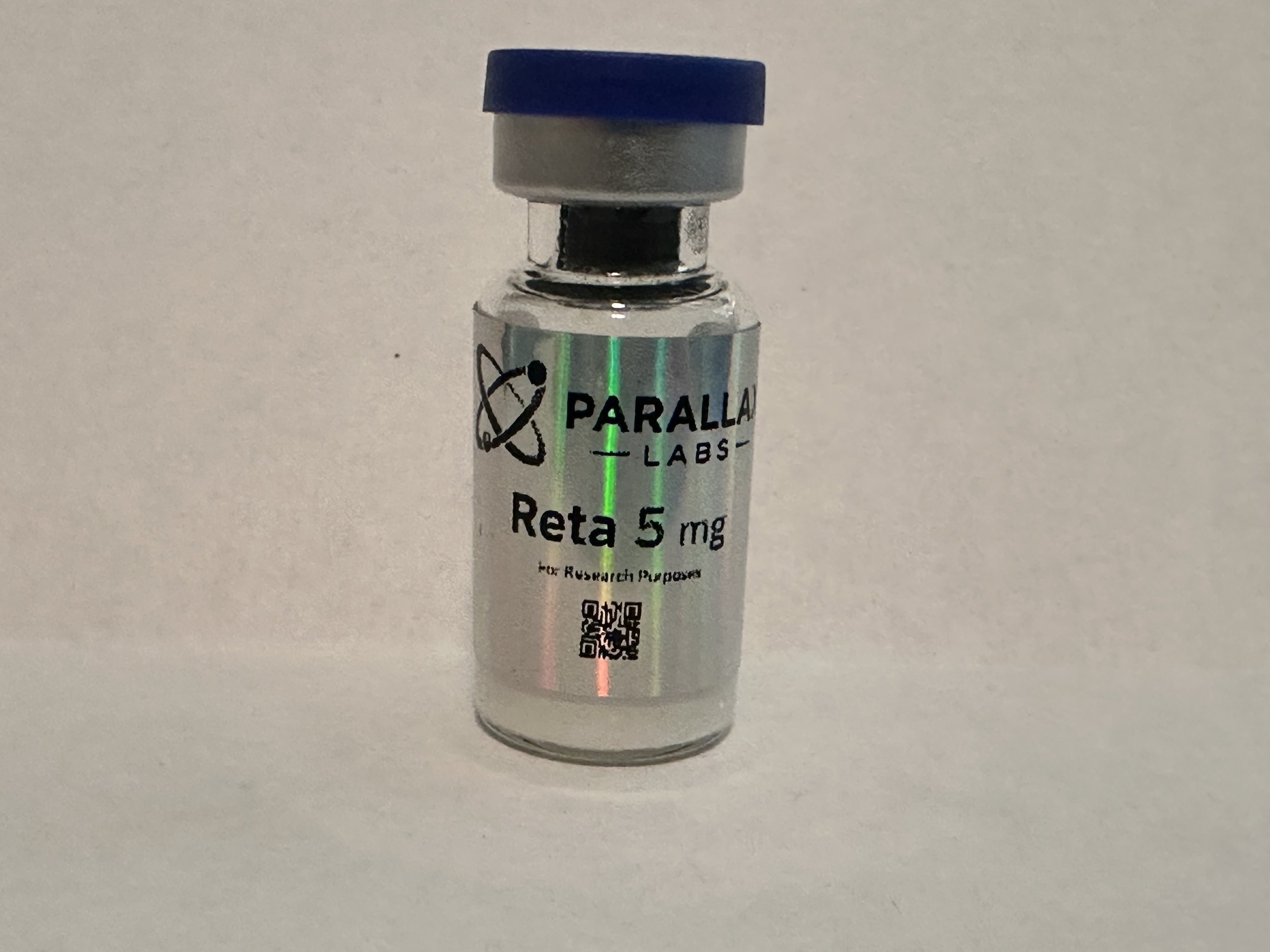
GLP-R3 5mg
Retatrutide (GLP-3)
Retatrutide is an investigational peptide therapeutic classified as a GLP-3 compound — a next-generation, multi-receptor agonist designed to target metabolic disease through simultaneous activation of three key receptors: the glucagon-like peptide-1 receptor (GLP-1R), the glucose-dependent insulinotropic polypeptide receptor (GIPR), and the glucagon receptor (GCGR). By engaging this triad, retatrutide aims to deliver greater improvements in weight loss, glycemic control, and metabolic function than single-receptor GLP-1 therapies.
Key pharmacology and mechanism
GLP-1R agonism: Enhances glucose-dependent insulin secretion, slows gastric emptying, reduces appetite, and promotes weight loss.
GIPR agonism: Potentiates insulin secretion and may augment weight loss and metabolic effects when combined with GLP-1 activity.
GCGR agonism: Modulates energy expenditure and lipid metabolism; careful balancing with GLP-1/GIP activity is intended to enhance weight reduction while limiting hyperglycemia risk.
Clinical development and efficacy signals
Clinical trials of retatrutide have reported substantial body weight reductions in overweight and obese adults, with results suggesting greater mean weight loss compared with current single- and dual-agonist therapies in similar study populations.
Improvements in markers of glycemic control (fasting glucose, HbA1c) and cardiometabolic risk factors (lipids, blood pressure) have been observed in early-phase studies.
Doses and administration schedules investigated are typically once-weekly subcutaneous injections, consistent with other long-acting incretin agonists.
Safety and tolerability
The most commonly reported adverse events mirror those seen with GLP-based therapies: gastrointestinal events (nausea, vomiting, diarrhea, constipation), transient appetite suppression, and injection-site reactions.
Because retatrutide includes GCGR activity, monitoring for effects on fasting glucose and potential metabolic perturbations is important; trials aim to balance receptor activities to avoid significant hyperglycemia or excessive catabolism.
Long-term safety data are still being collected; cardiovascular outcomes and rare adverse events remain under investigation.
Clinical considerations
Patient selection in future clinical use will emphasize individuals with obesity and those needing enhanced glycemic control who may benefit from greater weight loss than available with current therapies.
Treatment initiation and dose escalation protocols will need to address tolerability (particularly GI side effects) and glycemic safety monitoring.
Combination with lifestyle interventions (diet, exercise, behavioral support) is expected to remain a cornerstone of effective therapy.
Regulatory status and availability
As an investigational agent, retatrutide’s availability is limited to clinical trials until regulatory approvals are obtained. Final indications, dosing, and safety labeling will depend on outcomes from ongoing and completed phase 3 programs and regulatory review.
Summary Retatrutide represents a promising GLP-3 approach that combines GLP-1, GIP, and glucagon receptor agonism to amplify weight-loss and metabolic benefits beyond existing incretin therapies. Early clinical data indicate notable efficacy for weight reduction and metabolic improvement, with a safety profile broadly consistent with incretin-based treatments. Continued phase 3 data and regulatory review will clarify its role in managing obesity and metabolic disease.
For Research purposes only.
Retatrutide (GLP-3)
Retatrutide is an investigational peptide therapeutic classified as a GLP-3 compound — a next-generation, multi-receptor agonist designed to target metabolic disease through simultaneous activation of three key receptors: the glucagon-like peptide-1 receptor (GLP-1R), the glucose-dependent insulinotropic polypeptide receptor (GIPR), and the glucagon receptor (GCGR). By engaging this triad, retatrutide aims to deliver greater improvements in weight loss, glycemic control, and metabolic function than single-receptor GLP-1 therapies.
Key pharmacology and mechanism
GLP-1R agonism: Enhances glucose-dependent insulin secretion, slows gastric emptying, reduces appetite, and promotes weight loss.
GIPR agonism: Potentiates insulin secretion and may augment weight loss and metabolic effects when combined with GLP-1 activity.
GCGR agonism: Modulates energy expenditure and lipid metabolism; careful balancing with GLP-1/GIP activity is intended to enhance weight reduction while limiting hyperglycemia risk.
Clinical development and efficacy signals
Clinical trials of retatrutide have reported substantial body weight reductions in overweight and obese adults, with results suggesting greater mean weight loss compared with current single- and dual-agonist therapies in similar study populations.
Improvements in markers of glycemic control (fasting glucose, HbA1c) and cardiometabolic risk factors (lipids, blood pressure) have been observed in early-phase studies.
Doses and administration schedules investigated are typically once-weekly subcutaneous injections, consistent with other long-acting incretin agonists.
Safety and tolerability
The most commonly reported adverse events mirror those seen with GLP-based therapies: gastrointestinal events (nausea, vomiting, diarrhea, constipation), transient appetite suppression, and injection-site reactions.
Because retatrutide includes GCGR activity, monitoring for effects on fasting glucose and potential metabolic perturbations is important; trials aim to balance receptor activities to avoid significant hyperglycemia or excessive catabolism.
Long-term safety data are still being collected; cardiovascular outcomes and rare adverse events remain under investigation.
Clinical considerations
Patient selection in future clinical use will emphasize individuals with obesity and those needing enhanced glycemic control who may benefit from greater weight loss than available with current therapies.
Treatment initiation and dose escalation protocols will need to address tolerability (particularly GI side effects) and glycemic safety monitoring.
Combination with lifestyle interventions (diet, exercise, behavioral support) is expected to remain a cornerstone of effective therapy.
Regulatory status and availability
As an investigational agent, retatrutide’s availability is limited to clinical trials until regulatory approvals are obtained. Final indications, dosing, and safety labeling will depend on outcomes from ongoing and completed phase 3 programs and regulatory review.
Summary Retatrutide represents a promising GLP-3 approach that combines GLP-1, GIP, and glucagon receptor agonism to amplify weight-loss and metabolic benefits beyond existing incretin therapies. Early clinical data indicate notable efficacy for weight reduction and metabolic improvement, with a safety profile broadly consistent with incretin-based treatments. Continued phase 3 data and regulatory review will clarify its role in managing obesity and metabolic disease.
For Research purposes only.